Educational Blog
Explore detailed articles examining various aspects of lifestyle patterns and eating habits in everyday life.

About This Blog
The Nutrilyn blog serves as an educational resource providing in-depth exploration of topics related to lifestyle patterns and eating habits. Each article examines specific aspects of how environmental, social, and cultural factors influence food-related behaviors in everyday life.
All content maintains a neutral, informational approach focused on explaining and describing rather than advising or recommending. Articles are designed to enhance understanding of the complex factors that shape eating patterns across different contexts and populations.
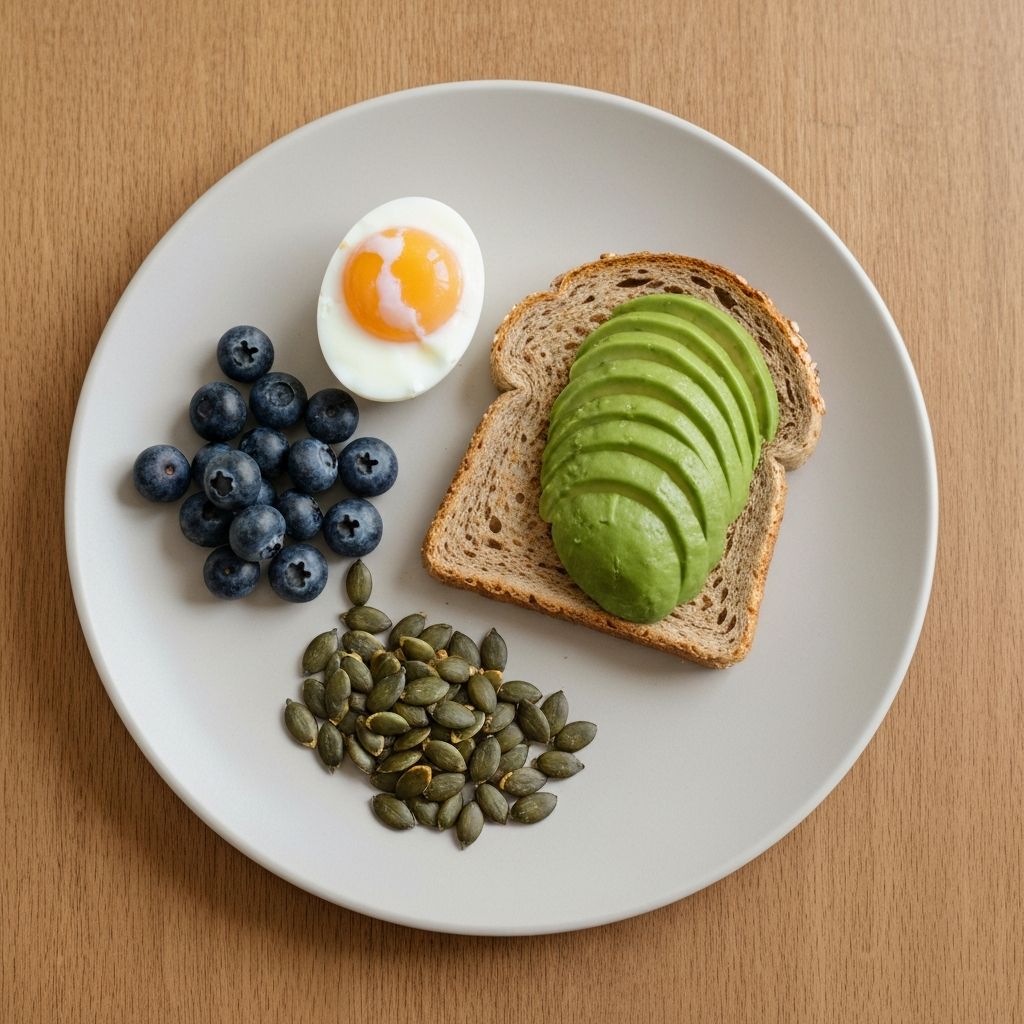
Everyday Routines and Meal Timing Patterns
Published: February 2026
An examination of how daily schedules and routines influence when and how people eat throughout the day. This article explores the relationship between work patterns, household responsibilities, and typical meal timing structures.
Read full article
Social and Cultural Influences on Eating Habits
Published: February 2026
Exploring how social contexts and cultural backgrounds shape eating behaviors and food choices. This article provides educational context about the diverse ways different communities approach food and meals.
Read full article
Environmental Factors Shaping Daily Food Choices
Published: February 2026
Understanding how work environments, residential settings, and community contexts influence everyday food decisions. This article examines the environmental dimensions of eating patterns.
Read full articleEducational Context
All blog articles are provided for general educational purposes only. They present information about lifestyle patterns and eating habits in neutral terms without offering personal advice or recommendations.
The content describes general patterns and contexts but is not tailored to individual circumstances. Personal decisions should be based on individual factors and appropriate professional guidance when needed.